
Reggae Is Resistance: The Global Fire of Rastafari - Celebrating Reggae Month
- Photos By Deeky

- Feb 2
- 3 min read

Reggae music is not just sound, it is strategy. It is vibration weaponized against oppression, a drumbeat that crossed oceans carrying the spirit of Africa, the scars of colonialism, and the unbreakable will of a people who refused to be erased. Born in the ghettos of Kingston, reggae rose from ska and rocksteady and transformed into a global language of liberation, guided by the philosophy and spiritual force of Rastafari.

At the center of reggae stands Rastafari, a movement rooted in Black self-determination, African redemption, spiritual consciousness, and resistance to Babylon systems of exploitation. Reggae became the pulpit. The bass line became the heartbeat. The lyrics became scripture for the poor, the colonized, the criminalized, and the conscious.

No figure symbolizes reggae’s global reach like Bob Marley, a revolutionary messenger whose music reached every corner of the planet. Marley took Rastafari from the hills of Jamaica to the United Nations, where he received the UN Peace Medal of the Third World, and to Zimbabwe, where he performed at the nation’s independence celebration in 1980, aligning reggae directly with African liberation. Songs like “Redemption Song,” “Get Up, Stand Up,” and “Africa Unite” became anthems for freedom movements worldwide.

Beside him stood the fearless Peter Tosh, who confronted power head-on. Tosh used reggae as a direct assault on police brutality, political corruption, and colonial hypocrisy. His demand for equal rights and justice was not metaphor, it was a declaration of war on injustice. He famously confronted politicians, exposed state violence, and normalized conversations around marijuana rights long before it was popular or safe.

Bunny Wailer, the spiritual anchor of The Wailers, preserved the sacred roots of Rastafari in reggae, emphasizing African consciousness, repatriation, and divine order. His work kept reggae grounded in spirituality, not commercial dilution.

Then came the velvet power of Dennis Brown, the “Crown Prince of Reggae,” whose voice carried love, dignity, and revolutionary calm. Dennis Brown proved that reggae could heal while it fights, that tenderness itself could be radical in a violent world. As reggae evolved, the fire never died. It intensified.

Artists like Burning Spear turned reggae into historical education, teaching Marcus Garvey, African pride, and resistance through hypnotic chants and Nyabinghi rhythms. Third World fused reggae with global sounds, proving that Jamaican music could innovate without losing its soul. Augustus Pablo revolutionized reggae instrumentals, bringing the melodica to the forefront and creating dub as a meditative, militant soundscape.

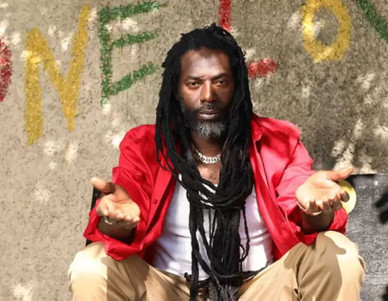


The 1990s and 2000s saw the rise of cultural warriors like Buju Banton, Sizzla Kalonji, Capleton, and Luciano, artists who restored Rastafari consciousness to the forefront during the dancehall era. Buju’s transformation from hardcore street narratives to deeply spiritual works like “Til Shiloh” marked a major cultural shift. Sizzla and Capleton delivered fire-and-brimstone lyrical assaults on corruption, mental slavery, and moral decay, while Luciano became known as The Messenger, spreading righteousness and upliftment across generations.




Reggae’s global torch is now carried by artists like Damian “Jr. Gong” Marley, whose work bridges roots reggae and hip-hop while remaining uncompromising in its politics and African-centered vision. Chronixx and the reggae revival movement brought youth back to roots culture, live instrumentation, and conscious lyrics, proving reggae is not nostalgia, it is now.
Reggae’s feats are undeniable. It influenced hip-hop, punk, jazz, Afrobeat, reggaeton, and global protest music. It has been used as a soundtrack for anti-apartheid struggles, Pan-African movements, prison uprisings, labor marches, and cultural revolutions. In 2018, UNESCO recognized reggae music as an Intangible Cultural Heritage of Humanity, affirming what oppressed people have always known reggae belongs to the world.
But reggae is more than awards and accolades. It is a culture: ital living, dreadlocks as defiance, drums as ancestral memory, and language as resistance. It teaches self-worth in a system designed to erase it. It teaches unity in a world engineered for division. It teaches that spiritual consciousness is political, and that liberation begins in the mind.
During Reggae Month, we honor reggae not as entertainment, but as movement, medicine, and militant memory. We honor the artists who risked their lives, careers, and freedom to speak truth. We honor Rastafari for giving the world a blueprint for dignity, resistance, and love without submission.
Reggae lives because Babylon still exists.
Reggae thrives because the people still resist.
And as long as there is injustice anywhere on Earth, the bass will keep marching forward. JAH music. Rebel music. World music. Forever.


Comments