
“Herb Is a Right, Not a Crime: The Rasta Revolution on Ganja”
- Photos By Deeky

- Apr 18
- 3 min read

April 20th—known worldwide as 4/20—is more than a date. It is a symbol of resistance, a declaration of truth, and a reminder that long before corporations tried to package and profit from cannabis, Rastafari stood firm in defense of the sacred herb.
For decades, Rastafarians have been on the frontlines of a global struggle—challenging oppressive laws, confronting stigma, and defending cannabis not as a vice, but as a vital sacrament and a natural healer. While others whispered, Rastas spoke loudly. While others hid, Rastas stood boldly. This is not new. This is legacy.

The herb—ganja—is central to Rastafari spirituality. It is used for meditation, reasoning, and connecting with the Most High. It sharpens awareness, deepens introspection, and strengthens communal bonds. Science is only now catching up to what Rastas have long known: cannabis has real benefits. It can help manage chronic pain, reduce anxiety, stimulate appetite, and even support those battling severe illnesses. But for Rastas, its power goes beyond the physical—it is spiritual medicine.
Yet despite this truth, the system has waged war against the herb and against the people who honor it. For years—especially across the Caribbean, the United States, and parts of Africa—Rastafarians were harassed, imprisoned, and brutalized simply for practicing their faith. Locks were cut. Communities were raided. Lives were destroyed. All for a plant that today is being sold legally in polished storefronts.
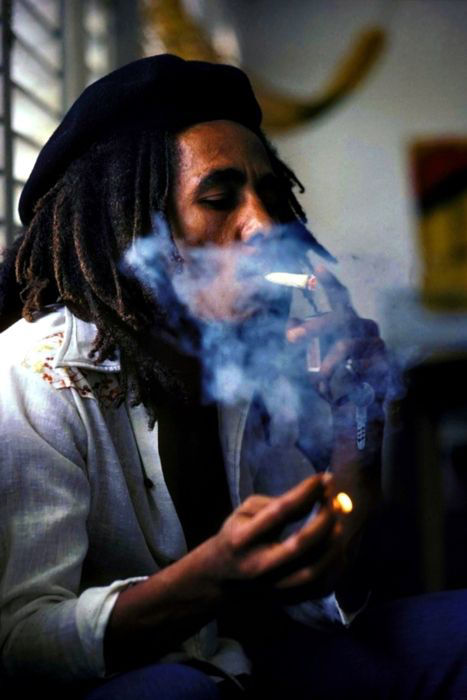
And let’s be clear—the Rastaman was right. For generations, Rastas declared that marijuana was not a poison but a plant with purpose, not a danger but a source of healing and clarity. Today, governments, investors, and corporations are building wealth off the very same herb they once condemned. Dispensaries are booming, brands are thriving, and millions are being made—but what about the ones who stood on the frontlines when it was illegal to even speak this truth? What about those who were beaten, jailed, and labeled criminals for the same act that now fills tax coffers? Justice demands more than legalization—it demands repair. Free all prisoners serving time for non-violent marijuana possession. Acknowledge the pioneers. Give honor to the Rastas who never wavered. While society begins to embrace what was once rejected, the truth remains: alcohol has long contributed to the destruction of communities, while the herb—rightly used—has always been about healing the nation.
Today, cannabis is a billion-dollar industry. Governments that once demonized it are now regulating and taxing it. Corporations are cashing in. But where is the justice for those who suffered? Where is the repair for the lives stolen through incarceration? Where is the recognition of the Rasta elders who carried this fight when it was dangerous to do so?

Too many people—especially Black and Brown people—are still being criminalized for marijuana use while others profit freely. That is not progress. That is exploitation dressed up as reform.
Rastafari has never just been about survival—it has always been about liberation. The movement has consistently challenged Babylon systems that criminalize culture, spirituality, and natural living. The fight for cannabis legalization is not just about access—it is about dignity, equity, and truth.

On this 4/20, we honor the warriors who never backed down. The voices who spoke truth when it wasn’t popular. The communities that endured persecution but never abandoned their principles. Legalization without justice is incomplete. Celebration without acknowledgment is hollow. The herb was never the enemy. The system that criminalized it was.
Written By: Deeky


Comments