
Kwame Ture: "Black Power Without Apology"
- Photos By Deeky

- Feb 15
- 2 min read

In honor of Black History Month, we raise the name of Kwame Ture, born Stokely Carmichael, a revolutionary who refused to beg for justice and instead demanded power. He was not born on U.S. soil, but in Port of Spain, Trinidad, carrying proud Caribbean roots that shaped his global vision. His journey from the islands to the front lines of the U.S. freedom struggle reminds us that Black liberation has always been international.

After immigrating to the United States as a child, Ture grew into a fearless organizer with the Student Nonviolent Coordinating Committee (SNCC), risking his life in the Deep South to register Black voters under constant threat of white supremacist violence. But he recognized something deeper: access without power is illusion. After witnessing the limits of integration without economic and political control, he declared what many were thinking but few dared to say, Black Power.

That call was not hate. It was self-determination. It was the right of Black people to define themselves, defend themselves, and build institutions that served their own communities. When Ture later joined the Black Panther Party as Honorary Prime Minister, he aligned with a movement rooted in community control, political education, and self-defense against state violence.

His Caribbean upbringing and international consciousness naturally led him toward Pan-Africanism. Ture eventually moved to Guinea and worked alongside African revolutionaries like Ahmed Sékou Touré and Kwame Nkrumah, embracing the idea that the struggle in Mississippi was connected to the struggle in Accra and Conakry. Colonialism abroad and racism at home were branches of the same tree.
Even as the U.S. government targeted him through surveillance and smear campaigns, Ture never softened his message. He believed imperialism, capitalism without conscience, and white supremacy without accountability had to be confronted, not negotiated with politely.

Kwame Ture’s life proves that Black power is global. From Trinidad to Harlem to Guinea, he carried one message: liberation requires organization, discipline, and unapologetic love for Black people.



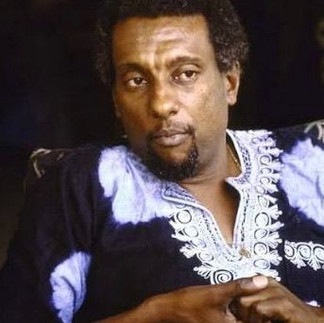

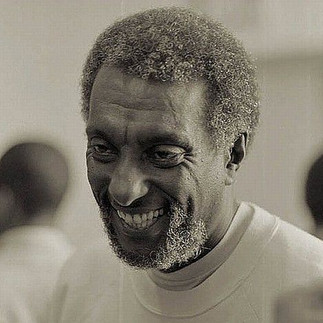
This Black History Month, we remember him not just as an American activist, but as a son of the Caribbean and a soldier of Africa, a blueprint for international Black resistance. Power to the people.



Comments