
Bad Bunny’s Super Bowl Halftime: A Revolutionary Celebration of the Caribbean Spirit
- Deeky

- Feb 9
- 2 min read

On Super Bowl Sunday, February 8, 2026, Bad Bunny transformed the NFL halftime show into a cultural uprising. What unfolded was not just a performance, but a declaration. On one of the most watched stages on the planet, Benito Antonio Martínez Ocasio stood firmly in his identity and made it clear that the Caribbean and Puerto Rico in particular, would not be muted, diluted, or turned into background flavor. This was representation with teeth, joy with intention, and pride without apology.


From the opening moments, Bad Bunny rejected the traditional spectacle-first formula and instead centered the lived reality of Caribbean people. The visuals spoke before the lyrics even landed. Rural imagery, neighborhood scenes, and symbols of everyday island life filled the field, grounding the performance in Puerto Rican history and memory. These were not props for aesthetic appeal, they were acts of reclamation, placing stories often ignored or erased directly into the heart of American pop culture.
Throughout the show, symbolism was used as a language of resistance. The presence of the Puerto Rican flag, especially imagery associated with the island’s independence movement, carried a weight that could not be ignored. It was a bold reminder of Puerto Rico’s colonial reality and an assertion of national dignity on a global stage that rarely allows such honesty. Other visual elements referenced the island’s ongoing struggles, including infrastructure failures and environmental vulnerability, subtly exposing the consequences of neglect while honoring the resilience of the people who endure them.


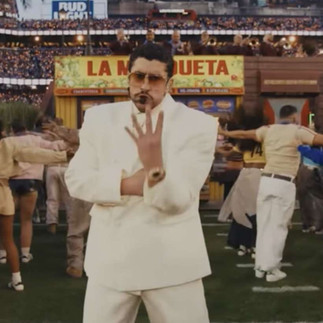
Bad Bunny also made space for the broader Caribbean spirit, highlighting the region’s communal culture, ancestral strength, and creative power. Traditional attire, references to Afro-Caribbean roots, and nods to reggaeton’s origins connected past to present, honoring the generations that built the culture long before it was profitable or accepted. The performance acknowledged that Caribbean music and style did not emerge from trend cycles, but from survival, resistance, and joy in the face of hardship.
Language itself became an act of defiance. Performing entirely in Spanish, Bad Bunny refused to translate himself for comfort or approval. In doing so, he challenged the idea that legitimacy on American stages requires assimilation. The message was clear: culture does not need permission to exist, and Spanish does not need to be softened to be powerful. The crowd may have been global, but the roots remained firmly planted in the island.
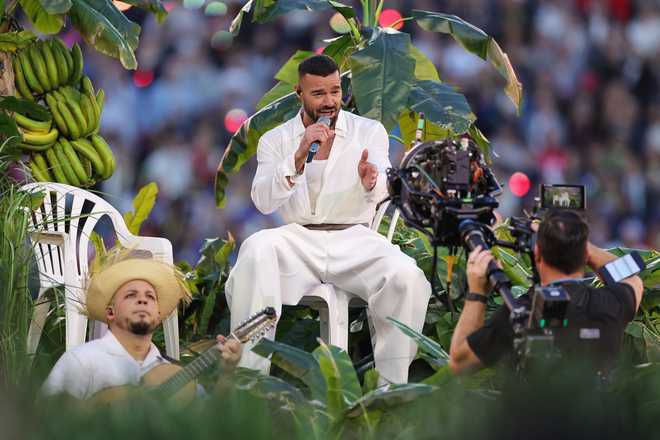
At its core, the halftime show was about unity without erasure. Bad Bunny did not ask to be included, he arrived whole. His performance extended love across borders while remaining uncompromising in its politics and identity. Messages of collective humanity, resistance to hate, and cultural pride ran through every beat, proving that joy and militancy are not opposites, but partners.
Bad Bunny’s NFL halftime show will be remembered not just for its music, but for its courage. It was a moment where Caribbean people saw themselves reflected with dignity and power, where Puerto Rico was not treated as a footnote but as a force. On that field, Bad Bunny reminded the world that representation is not symbolic unless it tells the truth and that truth, when spoken boldly, can shake even the biggest stages. “The only thing more powerful than hate is love.”



Comments